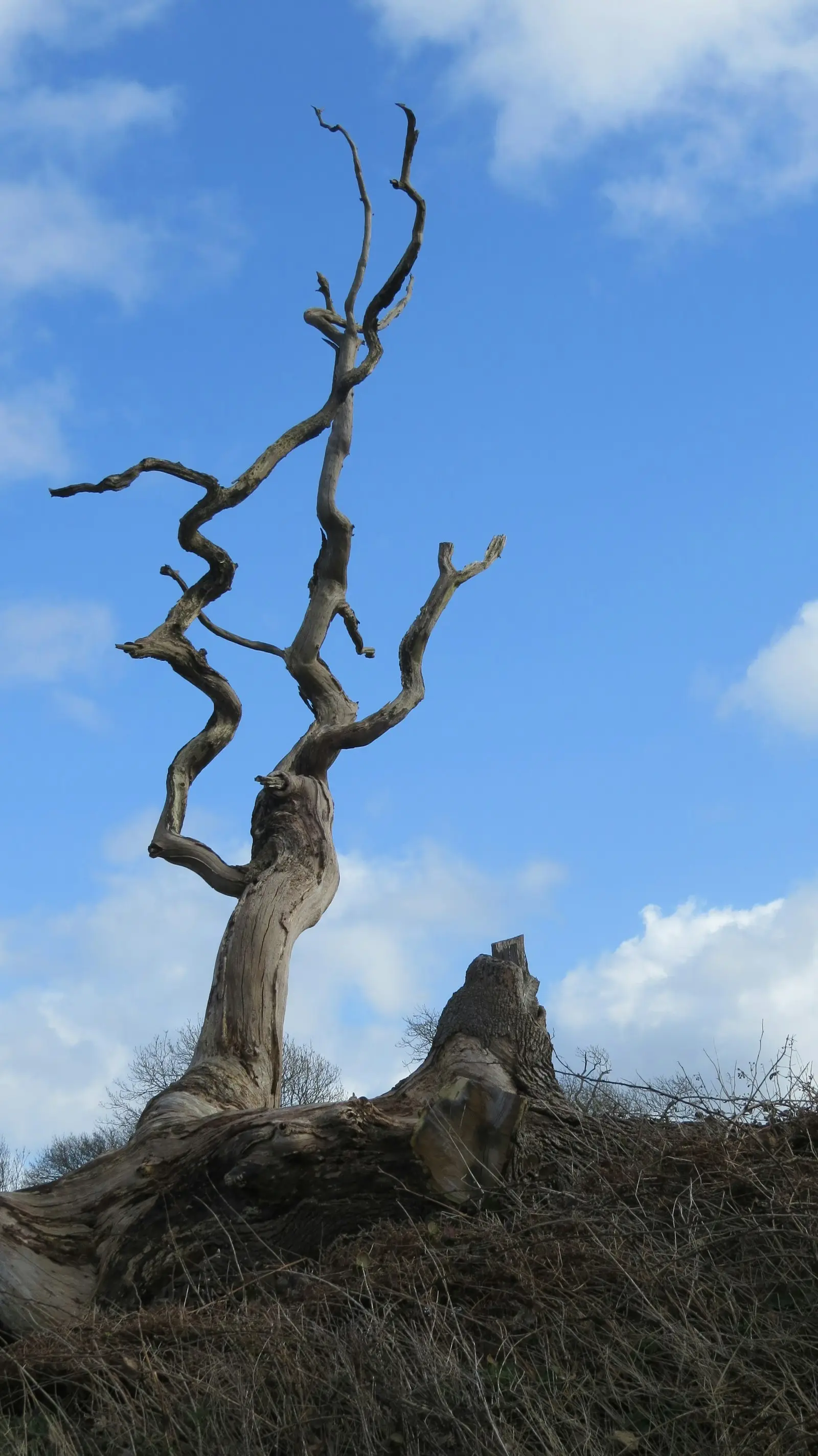
To help a drought-stressed tree in Ontario, CA, water it slowly and deeply out at the edge of the canopy every few weeks during the dry months, cover the root zone with a ring of mulch kept away from the trunk, and avoid heavy pruning or fertilizing while the tree is stressed. Signs of stress include small or yellowing leaves, early leaf drop, scorched leaf edges and dead branch tips.
Why trees here get so stressed
Ontario's summers are long, hot and dry, and Santa Ana winds pull even more moisture out of leaves. Many mature trees were planted in lawns and grew up on regular sprinkler water. When a lawn is replaced with gravel or drought-tolerant plants and the sprinklers are capped, those trees can lose most of their water overnight. Decline often shows up a season or two later.
Signs of drought stress
- Leaves are smaller, pale or yellowing.
- Leaf edges look brown and scorched.
- Leaves drop in summer.
- Branch tips die back.
- Bark beetles or borers appear on pines, eucalyptus or sycamores.
How to water a mature tree
Most of a tree's feeder roots are in the top foot or two of soil, spread out to and beyond the edge of the canopy, called the drip line. Watering at the trunk does little.
- Water slowly with a soaker hose or drip ring placed around the drip line.
- Water deeply so moisture reaches a foot or more down.
- In summer, water every few weeks rather than a little every day.
- Check soil moisture with a probe or screwdriver.
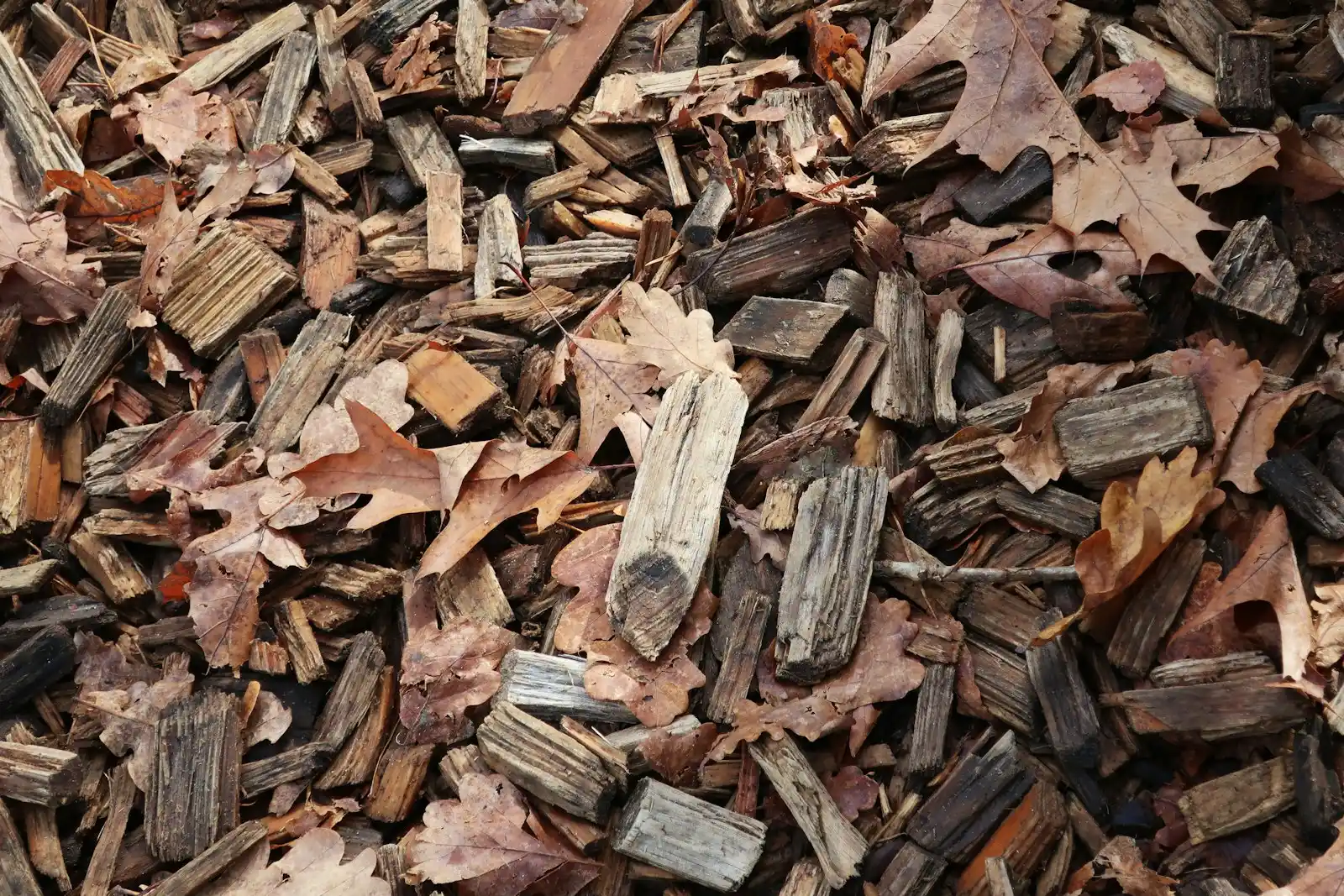
Mulch helps
A ring of wood chip mulch, a few inches deep over the root zone, keeps soil cooler and holds moisture. Keep it several inches away from the trunk to avoid rot. Chips from tree work make good mulch.
What not to do
- Do not prune heavily during a heat wave. Light deadwood removal is fine.
- Do not fertilize a stressed tree. It pushes growth the tree cannot support.
- Do not pile soil or gravel over the roots.
- Do not overwater. Soggy soil causes root rot.
Choosing trees that handle heat
When replanting, choose species suited to the Inland Empire's heat. The UC Integrated Pest Management program and local nurseries can help with species and pest information. Water new trees regularly for the first few seasons.
When to call
If watering does not help, or the tree keeps losing branches, have it checked. See tree health assessment, or tree trimming for deadwood removal. Big old trees along the Euclid Avenue corridor show how much shade a cared-for tree gives. Our posts on signs a tree is dying and Santa Ana wind prep go further. Call (909) 479-2614.
Lawn conversions and trees
If you are planning to replace a lawn, plan for the trees at the same time. Before the sprinklers are capped, install a drip ring or soaker line around each mature tree's drip line, on its own valve if possible. Avoid laying plastic sheeting over the root zone, since it stops water and air from reaching roots. A wide mulch ring instead of gravel right under the canopy keeps soil cooler and helps roots.
Watering schedules by season
In the hottest months, most mature trees need a deep soak every couple of weeks. In spring and fall, every three to four weeks is often enough, and in winter, rain may be enough unless the season is dry. Adjust for soil: sandy soils drain fast and need more frequent watering, while clay soils hold water longer.
Common questions
How much water does a mature tree need?
It depends on species, size and soil, but a deep soak that wets the soil a foot or more down around the drip line every few weeks in summer suits most mature landscape trees. Drought-adapted natives such as oaks need much less, and should not be watered near the trunk in summer.
Will a drought-stressed tree recover?
Often, yes, if watering is restored before too much of the canopy dies. Expect slow recovery over a season or two. If more than about a third of the canopy is dead, or borers have moved in, recovery is less likely and the tree should be checked.