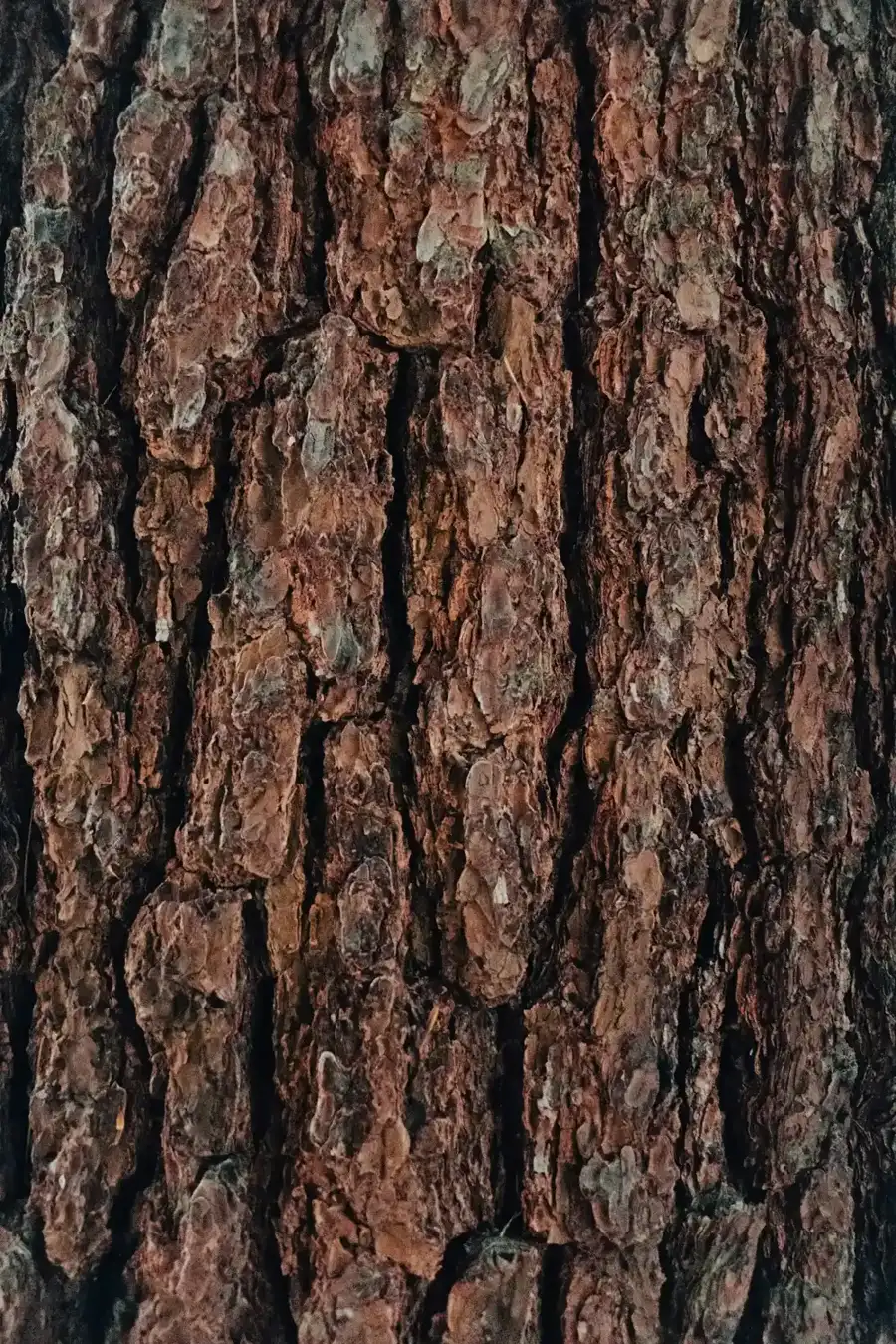
A tree health assessment in Ontario, CA is an on-site inspection of a tree's canopy, trunk, roots and surroundings to judge whether it is healthy, stressed or a hazard, and what should be done about it. We look for decay, cracks, pests, lean, root damage and drought stress, then explain what we found and the options, from pruning and better watering to watching it or removing it. Call (909) 479-2614 if a tree looks wrong to you.
When to have a tree checked
You know your trees better than anyone. These are the changes that are worth a closer look:
- Leaves are smaller, yellowing or dropping out of season.
- Branches are dying back from the tips, or the canopy is thinning.
- Bark is cracking, peeling or oozing sap, or has small holes.
- Mushrooms or shelf fungi are growing at the base or on the trunk.
- The tree is leaning more than before, or the soil is heaving on one side.
- Roots were cut for a wall, a pool, a sewer line or a new slab.
- A big limb broke in the last wind event.
What we look at
An assessment works from the top down and the outside in:
- Canopy. Density, color, dieback, deadwood and how the weight is distributed.
- Structure. Co-dominant stems, included bark, cracks, old wounds and past bad cuts like topping.
- Trunk and base. Decay, cavities, fungus, girdling roots and damage from mowers or trimmers.
- Roots and soil. Recent digging, soil level changes, compaction, irrigation and drainage.
- Target. What the tree would hit if part of it failed: a roof, a car, a play area, a street.
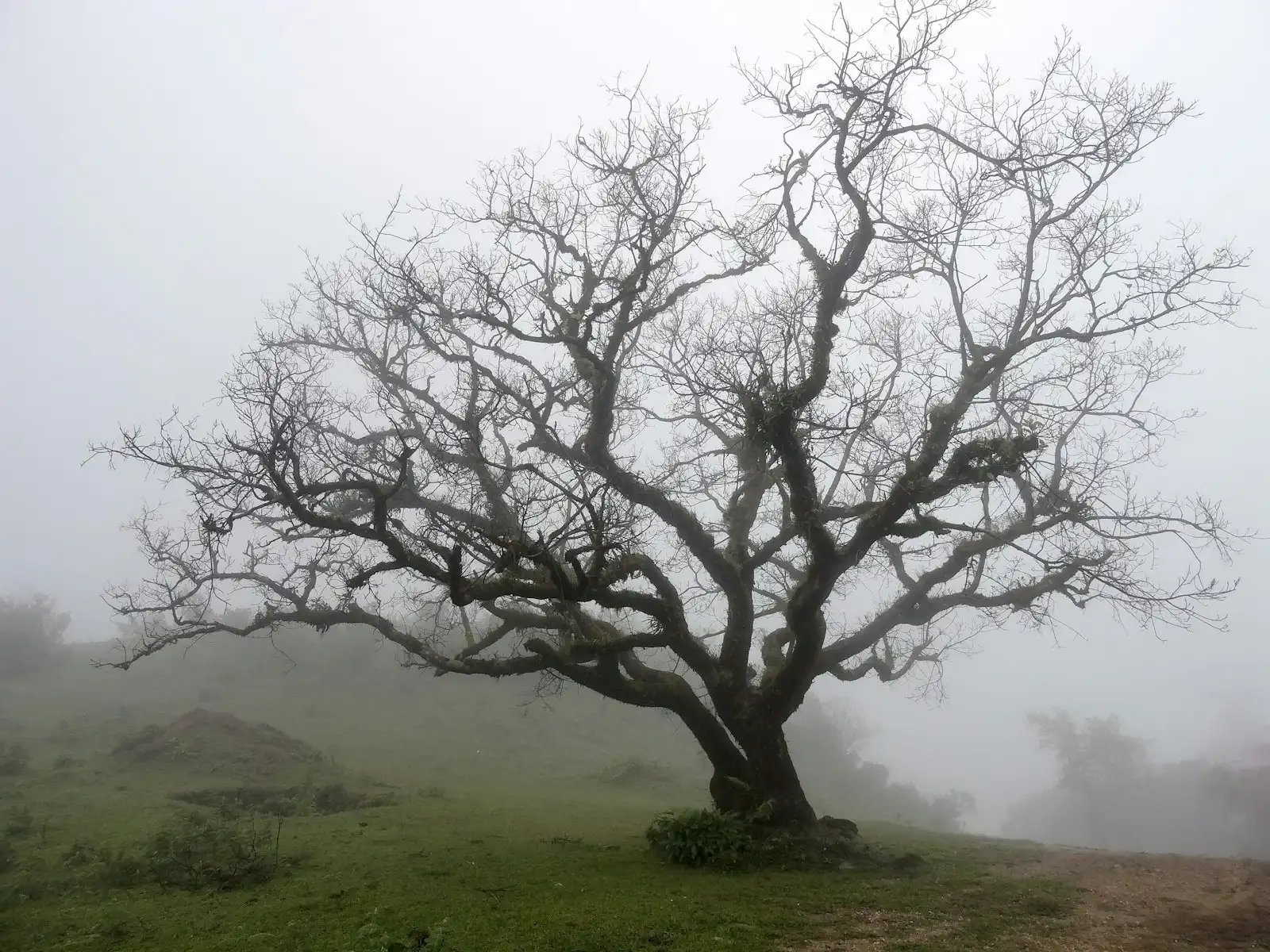
Common problems on Inland Empire trees
Ontario's hot summers and dry winds put trees under stress, and stressed trees attract pests. Some of the problems we see most often:
- Drought stress. Trees on lawns that were converted to drought-tolerant landscapes often lose the water they had been relying on.
- Borers and bark beetles. These attack stressed trees, especially pines, eucalyptus and sycamores.
- Root rot. Overwatering and poor drainage cause decay at the base.
- Palm problems. Nutrient shortages and palm weevils can kill a palm from the top.
The UC Integrated Pest Management program is a reliable, research-based source on the pests and diseases of California landscape trees. Our post on signs a tree is dying covers what you can check yourself.
What happens after the assessment
You get a plain-language explanation of what we found and the options. Often that is one of these:
- Prune. Remove deadwood, reduce a heavy limb or thin a dense canopy with tree trimming.
- Adjust care. Change watering, add mulch, fix drainage or protect the root zone.
- Monitor. Watch a defect over time and check it again after the next wind season.
- Remove. If the tree is a real hazard and cannot be made safe, tree removal may be the answer.
We will not push a removal when the tree can be kept.
When you need a credentialed report
Some situations call for a formal written report from a credentialed arborist, for example a permit application for a protected tree, an HOA dispute or an insurance claim. Cities such as Rancho Cucamonga may require an arborist report for a heritage tree removal permit, and La Verne has its own rules for oaks and significant trees. You can find and verify ISA-credentialed arborists through the ISA's Find an Arborist directory.
Trees around Ontario's landmarks
Much of Ontario's character comes from older trees. The pepper trees of the Euclid Avenue Historic District, the shade trees around Cucamonga-Guasti Regional Park and the mature trees in older neighborhoods near Downtown Ontario are worth keeping healthy. An assessment helps you protect the trees that make your street what it is.
What you can do between visits
A few simple habits keep most trees healthier. Water mature trees slowly and deeply at the edge of the canopy, not against the trunk, especially after a lawn has been removed. Keep a ring of mulch over the root zone but away from the bark. Avoid parking cars or piling soil over roots, and keep trimmers and mowers from nicking the base. Watch for changes after each summer and each wind season, and take a photo of the tree once a year so you can compare.
Bring any records you have, such as past pruning dates or a note on when the lawn was removed, since they help explain what the tree has been through.
Commercial and HOA properties
Property managers and HOAs often ask us to walk a property and list trees with deadwood, defects or clearance problems, so they can plan and budget work across a season instead of reacting after a limb falls.
Common questions
How do I know if my tree is dangerous?
Warning signs include large dead branches, cracks in the trunk or between main stems, fungus at the base, a lean that is getting worse and heaving soil around the roots. A tree with these problems over a house, driveway or play area deserves a close look soon. If a tree is actively cracking or moving, keep people away and call right away.
Can a sick tree be saved?
Often, yes. Many trees decline because of drought, overwatering, root damage or poor pruning, and those causes can be corrected. Removing deadwood, adjusting irrigation and protecting the root zone can bring a tree back. Some problems, such as advanced decay at the base or certain pests, cannot be reversed, and removal is the safer choice.
Do I need an arborist report to remove a tree?
It depends on the city and the tree. Some cities near Ontario, such as Rancho Cucamonga, may require an arborist report for a heritage tree removal permit, and protected native trees in Chino Hills and oaks in La Verne have their own rules. Check with the city's planning department before planning the removal.
Why is my tree dropping leaves in summer?
Summer leaf drop is often a sign of heat and drought stress, especially on trees that lost lawn irrigation. It can also come from root damage, pests or disease. A slow, deep watering under the canopy often helps a drought-stressed tree. If the canopy keeps thinning or branches die back, have the tree checked.